Kingston council rules for waste disposal after cleaning jobs: a practical guide for households and cleaners
If you've just finished a deep clean and are staring at a pile of dirty water, used cloths, vacuum debris, packaging, or stubborn waste from a sofa or carpet job, the question comes up fast: what now? Kingston council rules for waste disposal after cleaning jobs can feel a bit unclear at first, especially when the waste is a mix of damp, soiled, or bulky material. The short version is this: most cleaning waste should be separated, kept contained, and disposed of in a way that does not create a nuisance, block drains, or contaminate recycling. This guide breaks that down into clear steps, with a local, real-world focus.
We'll cover what matters, how waste handling usually works after domestic or commercial cleaning, common mistakes, and the best way to stay tidy, compliant, and sensible about it. Truth be told, that last bit saves a lot of bother.
Contents
- Why Kingston council rules for waste disposal after cleaning jobs matters
- How Kingston council rules for waste disposal after cleaning jobs works
- Key benefits and practical advantages
- Who this is for and when it makes sense
- Step-by-step guidance
- Expert tips for better results
- Common mistakes to avoid
- Tools, resources and recommendations
- Law, compliance, standards, or best practice
- Options, methods, or comparison table
- Case study or real-world example
- Practical checklist
- Conclusion
- Frequently asked questions
Why Kingston council rules for waste disposal after cleaning jobs Matters
Cleaning jobs generate more than visible dirt. You often end up with used wipes, disposable gloves, lint, paper towels, extraction wastewater, packaging from cleaning products, and sometimes contaminated items that cannot simply be tossed anywhere. If the waste is handled badly, a few things can happen very quickly: bins overflow, smells build up, recycling gets ruined, and drains can be damaged or blocked. Nobody wants to be the person washing carpet slurry into a sink and then dealing with a suspicious gurgle from the plughole at 9:30 on a Thursday morning.
Kingston council rules for waste disposal after cleaning jobs matter because they sit at the intersection of cleanliness, public health, and responsible disposal. Even when the waste looks harmless, it may be classed as contaminated or unsuitable for standard recycling. That's especially true after stain removal, pet odour work, mattress cleaning, or jobs involving heavy soil, bodily fluids, or chemical residues.
For householders, the practical benefit is simple: less mess, fewer complaints from neighbours, and a lower chance of making an avoidable disposal mistake. For cleaners and facilities teams, the stakes are higher. Good waste handling shows professionalism, supports safety, and makes the whole job smoother from start to finish. If you run or hire a service, it also ties closely to general business trust and process discipline, which is why pages like the health and safety policy and recycling and sustainability information are worth reviewing alongside day-to-day practice.
Expert summary: the safest approach is usually to sort waste at source, keep liquids out of drains unless you are sure they are suitable, and treat contaminated cleaning residue as general waste unless a specific arrangement says otherwise. Small habit, big difference.
How Kingston council rules for waste disposal after cleaning jobs Works
There isn't one single pile of rubbish called "cleaning waste." In practice, the material falls into a few broad groups, and each one should be handled differently. That is the easiest way to think about it. Some items are recyclable once rinsed and clean, some are residual waste, and some need extra care because they are contaminated or potentially hazardous.
A typical cleaning job may produce:
- dry solid waste such as dust, hair, fibres, crumbs, and general debris
- single-use materials such as wipes, paper towels, and disposable gloves
- packaging from solutions or equipment
- wastewater from extraction or steam-based work
- removed items such as old underlay, damaged textiles, or heavily soiled soft furnishings
Kingston council rules for waste disposal after cleaning jobs are usually applied through ordinary waste collection expectations, recycling rules, and responsible disposal practice. That means the most useful question is not "where does every cleaning thing go?" but rather "what type of waste is this, and is it clean enough, dry enough, or safe enough for a particular bin stream?"
For example, the packaging from a bottle of shampoo that is fully emptied and clean may be suitable for recycling depending on the material and local guidance. On the other hand, a cloth soaked in grease, pet waste, or heavy chemical residue should usually be treated as residual waste. If you are working on a commercial site, you may also need a more structured waste procedure, especially if the premises generate regular large-volume waste. In those cases, it helps to read the site's own processes, such as commercial carpet cleaning services and the business-facing terms and conditions, because waste responsibility is often part of the service setup.
The cleaner's role is to sort and contain the waste properly. The occupier or business owner's role is to provide access to suitable bins, disposal points, and any special instructions. Simple enough in theory. In real life, it can become messy if nobody says who does what.
Key Benefits and Practical Advantages
Following the right disposal process is not just about avoiding a telling-off. It actually makes the cleaning job better. You notice it in the little things: less clutter in the hallway, fewer damp odours hanging around, and a quicker reset for the room. There's a quiet efficiency to doing it properly.
- Cleaner final result: a room is only truly clean when the waste is gone too.
- Reduced risk of damage: proper disposal helps protect sinks, drains, and bins from blockages or contamination.
- Better hygiene: contaminated cloths, pads, or wipes are handled before they spread smells or residue.
- Improved recycling outcomes: separating clean packaging from soiled waste avoids ruining recyclable material.
- Less stress during inspections or tenant handovers: if a landlord, manager, or client sees a tidy disposal process, trust goes up.
- Stronger professional standards: for cleaning businesses, it shows operational care and consistency.
There's also a practical time-saving benefit. When waste is sorted as you work, you do not spend an extra twenty minutes later trying to untangle which bag contains what. That little bit of structure helps on busy days, especially when you are moving from one room to another and the van is already full of equipment.
If waste handling is part of a broader cleaning service, it often aligns well with safe working practices and insurance expectations too. You can see that mindset reflected in pages like insurance and safety guidance and the company's about us information, which helps set the tone for responsible work rather than quick, careless disposal.
Who This Is For and When It Makes Sense
This topic is relevant to more people than you might think. If your job leaves behind a pile of waste, the rules and the best practice around it matter.
You may need this if you are:
- a homeowner cleaning after a deep carpet or sofa refresh
- a tenant preparing a property for checkout
- a landlord clearing a flat after a cleaning visit
- a facilities manager overseeing routine cleaning waste
- a cleaning contractor handling domestic or commercial work
- a property manager dealing with bulky or contaminated items
It makes the most sense whenever the waste is more than ordinary light household rubbish. After steam cleaning, for instance, you may have damp extraction waste or heavily soiled pads. After pet stain and odour work, you may have material that smells unpleasant even if it looks small. After upholstery cleaning, loose lint, grit, and old fabric fragments can build up fast.
For businesses, the rule of thumb is straightforward: if the site produces waste repeatedly, set a routine. A loose, improvised approach almost always leads to confusion later. Households can usually keep things simpler, but they still benefit from separating recyclables, disposing of contaminated materials safely, and avoiding the "everything in one black bag" habit. Let's face it, that habit is convenient until it isn't.
Step-by-Step Guidance
Here is the simplest practical flow to follow after a cleaning job. It works well in homes, flats, offices, and most small commercial settings.
- Pause and identify the waste. Separate dry debris, contaminated disposables, packaging, and liquids. Do not rush this part.
- Keep liquids in a suitable container. Extraction water and rinse water should be contained securely. Avoid tipping anything into a drain unless you are confident it is allowed and appropriate.
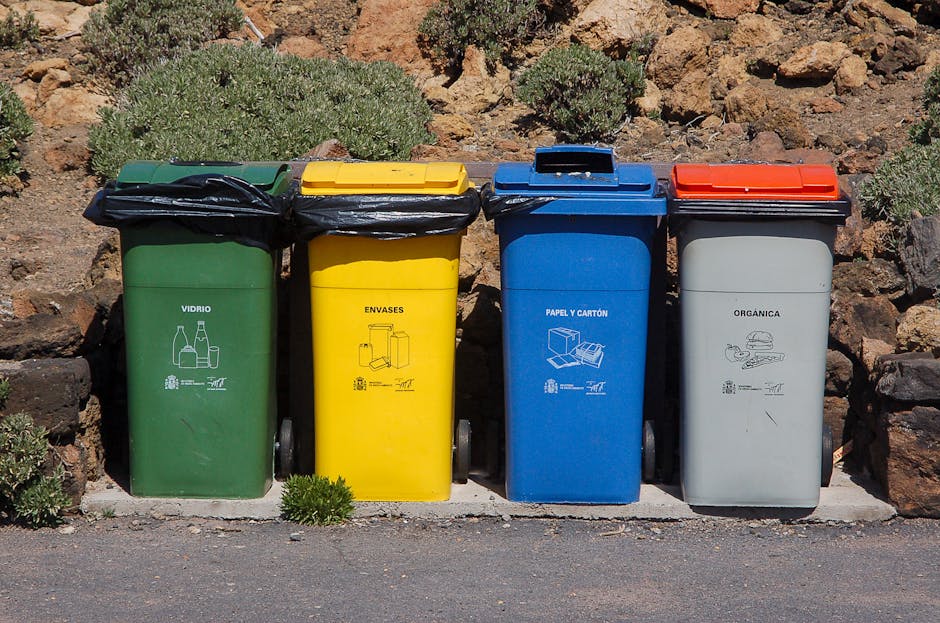
- Split recyclable from non-recyclable material. Clean cardboard, plastic packaging, and similar items may be recyclable if they are not soaked or coated in residue.
- Bag contaminated waste separately. Wipes, gloves, and cloths with heavy soil or chemical residue should be tied up and kept apart from clean recycling.
- Check the bin arrangement on site. In a flat block or managed property, there may be rules on which bin to use and when to put it out.
- Move bulky waste responsibly. If a job creates large items or lots of debris, use an appropriate collection route rather than overfilling household bins.
- Clean the area after disposal. Wipe the trolley, bucket, or collection tray. A good job should not leave a second mess behind.
If you're doing this as part of a carpet or upholstery job, the waste stream may be closely tied to the method used. For example, jobs that involve wet extraction can leave behind more liquid residue than dry methods. If you want to plan around that properly, it helps to understand the process behind steam carpet cleaning or the specifics of upholstery cleaning, because the waste handling is slightly different for each one.
Quick rule of thumb
If something is clean, dry, and free from contamination, it may belong in recycling or ordinary waste depending on material type. If it is damp, dirty, smelly, or chemically affected, treat it cautiously and keep it out of recycling unless local instructions clearly say otherwise.
Expert Tips for Better Results
Here's where a little experience saves a lot of hassle.
1. Separate waste while the job is still happening. Do not leave sorting until the end. Once everything is mixed together, you have made your own admin problem.
2. Carry spare bags and a lidded container. A lidded tub or sealed bucket is useful for damp cloths, small residual debris, and wastewater residues. It also keeps vans and hallways smelling fresher.
3. Keep a simple waste plan for repeat work. For regular clients, note whether there are dedicated bins, local collection times, or restrictions in the building. In a managed block, this matters more than people expect.
4. Think about odour transfer. Pet stain jobs and mattress cleaning can leave waste that smells stronger than it looks. If you leave it in an open bag, the smell can spread fast. Nobody enjoys that by mid-afternoon.
5. Match the disposal method to the cleaning method. Wet processes often generate more liquid residue; dry processes generate more fibre and dust. Different waste, different handling.
6. Keep paperwork and process notes for commercial work. If you run a business, a short internal note about waste handling can be helpful for consistency, training, and client confidence. It also supports a stronger service standard overall.
A small but useful trick: line your waste caddy before the job starts, not after. One minute now can save five later. That's not glamorous advice, but it works.
Common Mistakes to Avoid
Most disposal problems after cleaning jobs are ordinary mistakes, not dramatic failures. The good news is that they are easy to avoid once you know what to watch for.
- Pouring dirty water down the sink without checking first. This can create drainage issues or spread contamination.
- Putting contaminated wipes into recycling. If a material has been soaked with soil, chemicals, or bodily residue, it usually does not belong there.
- Overfilling bags. Heavy, overpacked bags split at the worst possible moment. Usually on the stairs, of course.
- Mixing clean packaging with dirty residue. Once the contamination spreads, the recyclable part is often lost.
- Ignoring building rules. Flats, HMOs, offices, and managed sites can all have different waste collection expectations.
- Leaving waste out too long. Damp waste left overnight can smell, attract attention, and upset neighbours.
- Using the wrong bin for bulky items. If a job creates large cushions, old underlay, or other bulky debris, it may need special handling.
One of the sneakiest problems is assuming "it's only a bit of waste" and then treating every small item casually. Small items add up. They really do.
Tools, Resources and Recommendations
You do not need a complicated setup, but a few simple tools make waste handling far easier and cleaner.
- Heavy-duty bin bags: better for damp cloths, debris, and mixed residual waste.
- Lidded buckets or tubs: useful for wastewater or contaminated small items.
- Disposable gloves: helpful during sorting, especially with soiled materials.
- Separate caddies or trays: keep recyclable packaging apart from dirty materials.
- Labels or tape: useful for marked waste segregation on commercial sites.
- Microfibre cloths and washable pads: reduce single-use waste where possible.
If you want the disposal process to sit neatly inside a wider service routine, look at the company's operational pages such as carpet cleaning, rug cleaning, and sofa cleaning. They help you see what kinds of waste each job is likely to generate and how to plan for it.
For customers comparing services, it can also be reassuring to check practical company information such as pricing and quotes and payment and security, because organised businesses tend to be organised about disposal too. Not always, but often enough to matter.
Law, Compliance, Standards, or Best Practice
Waste disposal after cleaning jobs is one of those areas where a calm, sensible approach is better than trying to act like a legal expert. In the UK, you should always follow the applicable rules for waste segregation, safe storage, and proper transfer to the correct disposal route. If you are unsure whether something is classed as general waste, recyclable material, or something more controlled, the safest course is to keep it separate and treat it cautiously until you have clarity.
For Kingston council rules for waste disposal after cleaning jobs, the practical takeaway is this: do not assume that everything created during cleaning can go into the same bin stream. Councils may expect household waste, recycling, and any special waste to be managed differently, and commercial settings often face additional internal procedures. When waste is contaminated, liquid, or bulky, it is especially important to avoid casual disposal.
Best practice usually includes:
- keeping waste streams separate from the start
- avoiding contamination of recycling bins
- preventing liquids from entering drains unless appropriate
- storing waste safely until collection
- following site-specific waste rules in blocks, offices, and managed properties
For cleaning businesses, documented procedures are a wise move. They support staff training, reduce errors, and help ensure a consistent standard on every job. That kind of routine sits naturally alongside a clear health and safety policy, which should cover safe handling, storage, and disposal expectations in plain language.
Options, Methods, or Comparison Table
Different waste types need different handling. This comparison table gives a practical overview of what usually makes sense after cleaning jobs.
| Waste type | Typical examples | Best disposal approach | Common risk if mishandled |
|---|---|---|---|
| Dry general waste | Dust, lint, crumbs, loose debris | Bag securely and place in residual waste if not recyclable | Mess, odour, scattered debris |
| Clean recyclable packaging | Empty plastic bottles, cardboard, cartons | Recycle only if clean and accepted locally | Contaminating the recycling stream |
| Contaminated disposables | Used wipes, gloves, soiled pads | Keep separate and treat as residual waste unless instructed otherwise | Hygiene issues and recycling contamination |
| Liquid residue | Dirty extraction water, rinse water | Contain safely and dispose according to site rules | Drain blockage, spill risk, slip hazard |
| Bulky removed items | Old underlay, damaged fabric, heavily soiled cushions | Use the correct collection route or disposal method | Overflowing bins, handling problems |
The main thing to remember is that disposal is a sorting exercise before it is a throwing-away exercise. That mindset alone prevents a lot of mistakes.
Case Study or Real-World Example
Imagine a small flat in Kingston after a deep sofa and rug clean. The cleaner has used several microfibre cloths, one extraction bucket of dirty water, a few empty product containers, and some packaging from new pads and accessories. At first glance, it all looks like one job's worth of rubbish. But if everything goes in the same bag, the waste becomes harder to manage and the recycling is probably ruined.
A better approach would be:
- keep dirty cloths and pads in one tied bag
- store dirty water in a sealed container until it can be handled correctly
- place empty, clean packaging with the right recycling stream if accepted locally
- check whether the building has a waste store or set collection point
- leave the area clean, dry, and free of overflow
By the end of the visit, the room looks finished rather than half-finished. The client sees a proper end-to-end service, not just a clean floor and a forgotten pile near the hallway. That's the difference between "done" and "done properly."
In our experience, clients notice this more than they say out loud. The absence of mess is one of the strongest trust signals there is.
Practical Checklist
Use this simple checklist after a cleaning job in Kingston or anywhere nearby.
- Have I identified all waste types before bagging them?
- Are any items contaminated, damp, or smelly?
- Have I kept recyclables separate from dirty waste?
- Is dirty liquid contained safely and not spilling?
- Are bags tied securely and not overfilled?
- Have I checked building or site-specific bin rules?
- Is anything bulky enough to need special handling?
- Have I avoided putting contaminated materials into recycling?
- Is the work area fully cleaned and dry after disposal?
- Do I need to record the waste handling method for future jobs?
If you can tick all of those, you are usually in good shape. If not, it's worth slowing down for a minute. That tiny pause often prevents a bigger issue later.
Conclusion
Kingston council rules for waste disposal after cleaning jobs are best understood as a practical habit rather than a complicated obstacle. Sort waste early, keep liquids contained, avoid contaminating recycling, and follow the collection rules that apply to the property or site. That approach keeps homes cleaner, makes commercial work more professional, and reduces the chance of simple but annoying mistakes.
Whether you are cleaning a family home, a rental property, or a busy office, the same logic applies: waste handling is part of the service, not an afterthought. Do it well and the whole job feels calmer, tidier, and more complete. And honestly, that final sense of order is satisfying.
Get a free quote today and see how much you can save.
If you want to learn more about the company behind this guidance, you can also review the contact details and the detailed complaints procedure for extra peace of mind.
Frequently Asked Questions
What counts as waste after a cleaning job?
It can include dust, cloths, wipes, gloves, packaging, residue water, and any removed materials from the job. The exact mix depends on the cleaning method and the type of surface cleaned.
Can I pour dirty cleaning water down the sink?
Sometimes, but not always. It depends on what the water contains and what the property or site allows. If it includes heavy soil, chemicals, or contamination, it is better to handle it cautiously and separately.
Should used wipes and gloves go in recycling?
Usually not if they are contaminated. Once wipes or gloves have picked up dirt, chemicals, or other residue, they normally belong with residual waste rather than recycling.
What should I do with empty cleaning bottles?
If they are truly empty and clean enough, they may be recyclable depending on local rules and the material. If they still contain liquid or residue, do not place them in recycling until they are properly dealt with.
Do Kingston council rules treat domestic and commercial cleaning waste the same?
Not necessarily in practice. Domestic waste often follows household collection routines, while commercial sites may have separate arrangements, larger volumes, or stricter on-site handling expectations.
How do I dispose of waste after pet stain or odour removal?
Keep contaminated cloths, pads, and any soiled disposables separate and sealed. Odorous waste should not be left open because smells can spread quickly, especially indoors.
What is the safest way to handle waste after steam cleaning?
Contain damp materials and extraction residue securely, separate clean packaging from contaminated waste, and avoid mixing everything into one bag. Steam work often leaves more moisture than people expect.
Can I put cleaning waste into my regular household bin?
Some of it, yes. But not all of it. Household bins are fine for many ordinary waste items, while contaminated or bulky waste may need a different route or extra care.
What are the biggest mistakes people make?
The most common ones are mixing recyclables with dirty waste, overfilling bags, pouring liquids carelessly, and ignoring building or site rules. Those small slips can create a bigger mess than the original job.
Do professional cleaners usually remove the waste they create?
Often they do, but the exact arrangement should be clear before the job starts. It is sensible to check the service details, including any waste-related responsibilities and the relevant terms and conditions.
How can I reduce waste from cleaning jobs in the first place?
Use reusable cloths where possible, avoid overusing disposable items, and plan the job so you only bring what you need. Good prep cuts waste and makes cleanup easier too.
What should I do if I am unsure whether an item can be recycled?
When in doubt, keep it out of recycling until you are certain. Contaminating recycling is usually worse than sending a questionable item to residual waste. Caution is the safer bet.