Carpet and upholstery cleaning Canbury Gardens Kingston KT1: a practical local guide for cleaner, healthier rooms
If you live or work near Canbury Gardens in Kingston KT1, you already know how quickly carpets and soft furnishings can start to look tired. Muddy shoes after a wet walk, a dropped coffee on the sofa, pet hair in the fibres, everyday dust from busy family life - it all builds up. Carpet and upholstery cleaning Canbury Gardens Kingston KT1 is not just about making things look nicer for a day or two. Done properly, it helps protect fabrics, improve the feel of a room, and remove the grime that sits well below the surface.
This guide explains how the cleaning process works, what results you can realistically expect, when it makes sense to book a professional service, and how to avoid the mistakes that often cause more trouble than they solve. To be fair, most people only think about carpet or sofa cleaning when a stain appears. But the best outcomes usually come from a bit of know-how before the stain has become a permanent feature.
For readers who want to explore the wider service range first, you can also review the services overview, the dedicated carpet cleaning in Kingston upon Thames page, and the specialist upholstery cleaning service.
Table of Contents
- Why Carpet and upholstery cleaning Canbury Gardens Kingston KT1 Matters
- How Carpet and upholstery cleaning Canbury Gardens Kingston KT1 Works
- Key Benefits and Practical Advantages
- Who This Is For and When It Makes Sense
- Step-by-Step Guidance
- Expert Tips for Better Results
- Common Mistakes to Avoid
- Tools, Resources and Recommendations
- Law, Compliance, Standards, or Best Practice
- Options, Methods, or Comparison Table
- Case Study or Real-World Example
- Practical Checklist
- Conclusion
- Frequently Asked Questions
Why Carpet and upholstery cleaning Canbury Gardens Kingston KT1 Matters
Carpets and upholstery do a lot of quiet work in a home. They absorb footsteps, soften noise, warm the room, and make a place feel lived in. The downside is simple: they also trap dust, pollen, crumbs, pet dander, skin particles, spills, and everyday wear. In a place like Canbury Gardens, where homes often balance family life, commuting routines, guests, and the odd damp shoe from a grey Kingston morning, fabrics can start showing that reality faster than you expect.
Regular cleaning matters because visible dirt is only part of the story. Deep-seated soil can flatten carpet pile, dull colours, and make upholstery look older than it really is. Sofas, armchairs, stair carpets, rugs, dining chairs, and even office seating all collect residue in different ways. A careful clean can help restore the original texture and make a room feel fresher without needing to replace anything. That is a big deal, especially when good furniture is expensive and not something you want to replace every few years.
There is also a hygiene angle. Dust mites, allergens and general airborne particles settle into fibres, particularly where people sit, walk, or lounge every day. No one expects a cleaning service to solve every indoor air issue, obviously, but a proper clean can make a noticeable difference to how a room feels. Less stale, less heavy, more comfortable. You know the feeling.
For landlords, tenants, homeowners and local businesses alike, cleaning is often about presentation as much as maintenance. A neat, fresh-looking carpet says the property is cared for. A clean sofa makes a living room feel welcoming. In an office, fresh seating and flooring can quietly support a more professional impression. If you also need broader domestic support, the pages on domestic cleaning in Kingston upon Thames and house cleaning services are worth a look.
How Carpet and upholstery cleaning Canbury Gardens Kingston KT1 Works
Professional carpet and upholstery cleaning is usually more structured than people imagine. It is not just a case of spraying something on and hoping for the best. A good cleaner will identify the fabric type, test the materials where needed, pre-treat stains, use the right cleaning method, and then control moisture carefully so the item dries properly.
The first step is usually inspection. This matters more than it sounds. Wool carpet behaves differently from synthetic carpet; a velvet chair needs a gentler approach than a hardwearing dining seat; a coffee stain on a light sofa is not the same as tracked-in soil on a hallway runner. If the cleaning method is wrong, you can end up with colour bleed, water marks, distortion, or residue that attracts dirt again. Not ideal.
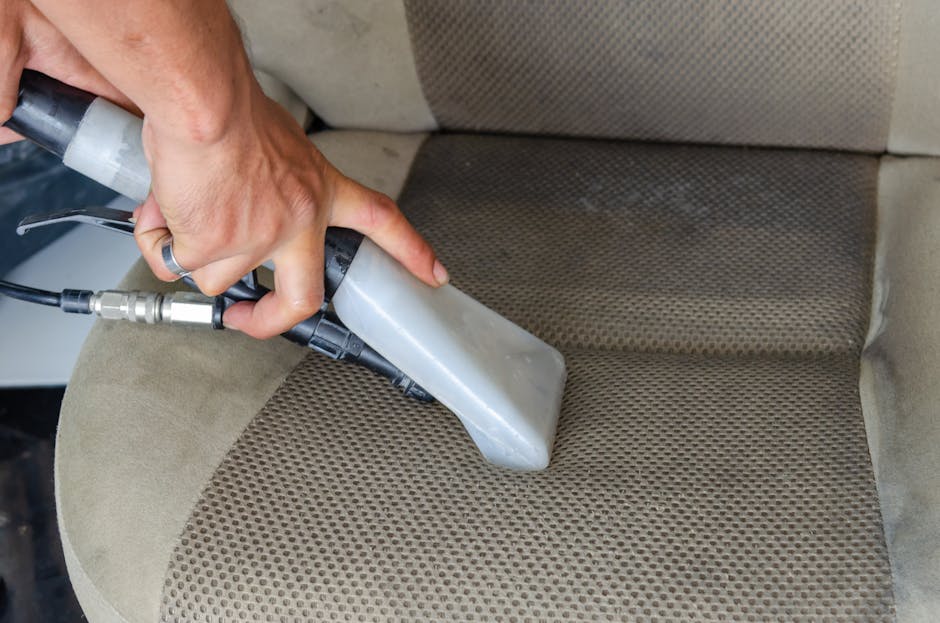
Most services will then vacuum thoroughly and apply targeted pre-treatment. This loosens soil and helps with stubborn marks. After that, the main clean may use hot water extraction, low-moisture methods, or specialist upholstery techniques depending on the item. Hot water extraction is common for carpets because it can reach deeper into fibres, while upholstery often needs a more delicate process with controlled agitation and careful rinsing.
Drying is a big part of the job. Rushing it can leave a musty smell or encourage re-soiling, which is a nuisance nobody wants. A proper cleaner will think about airflow, room temperature and fibre type. Sometimes you can walk on a carpet fairly soon after cleaning, but heavier furniture should often stay off the damp area until it is dry enough to avoid transfer or pile crush.
If you are comparing service quality, it helps to ask what equipment is used, how stains are assessed, and whether the provider can handle both floor coverings and furniture in the same visit. A coordinated clean saves time, and often makes sense financially too. For pricing questions, the pricing and quotes page is the natural next stop.
Key Benefits and Practical Advantages
People usually book cleaning for one obvious reason - a stain, a smell, or a property inspection. But the real value is broader than that.
- Improved appearance: carpets look brighter and upholstery looks less flat and tired.
- Better comfort: a clean sofa or rug simply feels more pleasant under day-to-day use.
- Odour reduction: built-up smells from food, pets, smoke or dampness can be reduced rather than covered up.
- Longer fabric life: regular maintenance can slow down wear and help fibres stay in better condition.
- Cleaner home presentation: especially useful before guests, new tenants, or a property listing.
- Health and wellbeing support: not a medical cure, but less dust and residue can make spaces feel fresher and easier to enjoy.
There is also a hidden benefit that gets overlooked: confidence. A room that smells clean and looks cared for makes people relax. That sounds small, but it changes how you use a space. You put your feet up. You invite people over. You stop seeing the room as something you need to hide. And honestly, that matters.
For businesses, especially small offices or shared workspaces, it can improve visitor perception without needing a full refit. If you are balancing home and work use, a look at office cleaning in Kingston upon Thames may also be useful, particularly if upholstery and carpets are part of a wider maintenance plan.
Who This Is For and When It Makes Sense
Not every carpet or sofa needs urgent professional attention, but there are clear moments when it makes sense.
Homeowners usually book when everyday vacuuming is no longer enough and traffic lanes start to show. Hallways, stairs and living rooms are common problem spots. If you have children, pets, or a busy household, you will probably need cleaning more often than someone living alone. That is just life, really.
Tenants often need a good clean before the end of a tenancy, especially where carpets, rugs or soft seating have picked up noticeable wear. In that case, upholstery and carpet work may be part of a broader move-out clean. The end of tenancy cleaning Kingston upon Thames page is useful if you are trying to coordinate the whole property.
Landlords and letting agents may need fast turnaround between occupancies. Clean carpets and furniture can help a property present well for viewings and handovers. Families often want freshness without the hassle of renting machines and spending a weekend wrestling with damp carpets. Let's face it, nobody wants the living room turned into a drying rack for two days.
Office managers and small business owners may need upholstery and carpet cleaning to maintain a professional environment. Waiting areas, meeting rooms, and desk chairs collect more grime than people think. A coffee spill on a fabric chair can linger for months if it is ignored.
It also makes sense after specific events: a pet accident, a burst drink, heavy building dust, smoke exposure, seasonal pollen, or the end of a long winter where rooms just feel dull and heavy. If you are unsure whether the item needs deep cleaning or something gentler, a trusted provider can usually assess it first rather than guessing.
Step-by-Step Guidance
If you want to understand what happens during a proper clean, this is the general flow. It may vary a bit depending on the fabric and the cleaner, but the order is usually similar.
- Assessment: the cleaner identifies carpet fibres, upholstery fabric, stain type and any problem areas.
- Pre-vacuuming: loose dust, crumbs and hair are removed before wet cleaning begins.
- Spot testing: delicate areas are tested where necessary to check for colour fastness and fabric response.
- Pre-treatment: marks, traffic lanes and greasy spots receive targeted cleaning solution.
- Main clean: the chosen method is applied, often hot water extraction for carpets or a fabric-safe upholstery approach.
- Agitation or grooming: fibres may be gently worked to lift soil and improve the finish.
- Extraction and rinse: loosened dirt and cleaning solution are removed as thoroughly as possible.
- Drying guidance: airflow, furniture placement and aftercare advice are given so the item dries correctly.
A practical detail worth noting: the best results usually come when the surface is not already saturated with DIY stain removers. A lot of people try three different supermarket products before calling in help. Fair enough, but that can make professional stain removal harder, not easier. If a spill happens, blot first. Avoid rubbing. Then get advice sooner rather than later.
Good communication matters too. Tell the cleaner about pets, previous treatments, delicate fabrics, hidden stains, or areas that need extra attention. If there is a particular concern, say it before the work begins. That saves everyone a headache later.
Expert Tips for Better Results
Here are the habits that usually make the biggest difference, and they are simple enough for most people to follow.
- Vacuum regularly, not just when things look bad. Dry soil acts like grit and wears fibres down.
- Deal with spills quickly. The first few minutes matter more than most people realise.
- Use mats at entrances. Especially useful in wet weather, which Kingston gets plenty of.
- Rotate cushions and furniture. This helps wear patterns stay more even.
- Ask about fabric care codes. Upholstery fabrics can be surprisingly particular.
- Keep airflow moving after cleaning. Open a window if practical and safe, or use ventilation where possible.
One often-missed tip: do not over-wet fabrics "just to be safe". That sounds sensible, but it can leave residues behind or cause long drying times. A skilled cleaner will balance moisture with extraction. That balance is the whole game, really.
If you are comparing providers, ask how they handle delicate items, how they tackle pet odours, and whether they provide aftercare guidance. A cleaner who explains the process clearly tends to be a better fit than someone who promises miracles in one sentence. Nobody cleans a ten-year sofa like a magic wand. Well, not in the real world.
For a broader picture of service quality and expectations, you can also read a practical local article like best domestic cleaning services near Kingston Bridge, which helps put specialist cleaning into a wider home-care context.
Common Mistakes to Avoid
Most cleaning problems come from rushing, using the wrong product, or assuming all fabrics behave the same way. They do not. Here are the missteps that turn small marks into bigger issues.
- Scrubbing stains aggressively: this can spread the stain and damage the pile or fibres.
- Using too much detergent: leftover residue can attract dirt and leave the surface tacky.
- Skipping a test patch: especially risky on coloured upholstery or older materials.
- Ignoring drying time: putting furniture back too soon can create marks or odours.
- Assuming all cleaning methods are equal: some fabrics need low-moisture care, not heavy wet extraction.
- Covering smells instead of removing them: fragrance does not equal cleanliness.
Another one, and this is common: people wait until the carpet looks truly awful. By then, the soil has often settled deeper, and the clean takes more effort. A little maintenance between deep cleans usually pays off. Not glamorous, but practical.
If you are preparing for a move, an event, or a sale, do not leave the cleaning until the last night. The fabric needs time to dry and settle, especially in cooler months. A rushed job can look worse than a slightly worn one. Strange, but true.
Tools, Resources and Recommendations
Good cleaning relies on having the right kit for the job, not just powerful equipment. For carpets, that often means a strong vacuum, targeted stain pre-treatments, agitation tools, and extraction machinery that can remove soil without leaving the backing too wet. For upholstery, the cleaner may use fabric-safe brushes, low-moisture tools, and specific solutions matched to the textile type.
If you are choosing a provider, ask practical questions rather than general ones:
- What cleaning method will you use on this exact fabric?
- Do you test for colour fastness first?
- How long should drying take in normal conditions?
- Can you handle pet stains or odours if needed?
- What should I do before and after the appointment?
For general trust and service information, these pages are worth keeping handy:
- about the company and its approach
- insurance and safety information
- payment and security guidance
- terms and conditions
- privacy policy
And if you like to read around a subject before booking, the main blog is a useful place to find related home-care advice. A bit of reading can save a lot of guesswork.
Law, Compliance, Standards, or Best Practice
For most homeowners, carpet and upholstery cleaning is straightforward from a compliance point of view. Still, good practice matters. Any reputable provider should work carefully, use suitable products for the surface, and follow sensible health and safety procedures. In the UK, that usually means attention to safe chemical use, careful handling of electrical equipment, and avoiding unnecessary slip hazards during and after cleaning.
From a customer perspective, you should expect clear communication about what will happen, what the service includes, and any limitations. If an item is fragile, heavily worn, or at risk of colour loss, that should be discussed before work starts. That is normal professional behaviour, not overcautiousness.
If the job is in a shared building, office, or rental property, coordination matters too. Access arrangements, parking, noise, drying time, and how waste or water are managed should all be handled sensibly. For larger or commercial environments, the health and safety policy is worth reviewing alongside any service details.
There are also broader expectations around complaints handling and accessibility. If something does not go to plan, a clear route for raising it is a good sign. You can check the complaints procedure and the accessibility statement if those matter to your decision.
Best practice, in plain English, means this: use the right method, protect the fabric, minimise risk, and be honest about limits. Simple. But it makes a real difference.
Options, Methods, or Comparison Table
There is no single method that suits every carpet or sofa. The best choice depends on fibre type, soiling level, moisture tolerance, and drying needs. Here is a simple comparison to help make the decision easier.
| Method | Best for | Advantages | Things to watch |
|---|---|---|---|
| Hot water extraction | Most carpets, heavier soil, deeper cleaning | Strong soil removal, thorough rinse, widely trusted | Drying time can be longer; not ideal for every fabric |
| Low-moisture cleaning | Delicate carpets, quicker turnaround needs | Faster drying, less water used | May not suit very heavy soiling |
| Upholstery foam or controlled wet cleaning | Sofas, armchairs, dining chairs, textured fabrics | Gentler on fabrics, useful for targeted work | Needs careful application to avoid residue |
| Spot treatment only | Small isolated marks | Quick and targeted | Not a substitute for deep cleaning when the whole item is dirty |
If you are unsure, that is completely normal. A sofa that looks like it needs "just a quick clean" can turn out to need a different approach once inspected. That is why a proper assessment is worth having.
Case Study or Real-World Example
Imagine a family in Canbury Gardens with a light-coloured living room carpet, a fabric corner sofa, and two small children. Over the winter, the carpet near the hallway darkens slightly from foot traffic, a couple of juice spills leave pale rings, and the sofa arms pick up that slightly greasy patch you only notice when the afternoon light hits it. Nothing dramatic. Just everyday life slowly showing itself.
In a case like this, the first job is not to attack everything with strong detergent. It is to inspect the materials, vacuum thoroughly, pre-treat the traffic areas, and clean the carpet and upholstery in a way that respects the fabric. The result is usually not a dramatic "new house" transformation, but something more useful: the room feels fresher, the carpet looks more even, and the sofa no longer carries that dull, lived-in film that creeps up over time.
The practical win here is not only appearance. After cleaning, the family may find that vacuuming is easier, the room smells better, and they feel more comfortable using the space without worrying about every crumb or mark. A small thing? Maybe. But on a rainy Thursday evening, after school bags are dumped by the door and the kettle is on, that cleaner, calmer feeling matters a lot.
If the same property were being prepared for a move-out, the priorities would shift slightly. Focus would move to presentation, stain reduction, and making sure items are dry in time for handover. Different context, same principle: match the method to the situation.
Practical Checklist
Use this quick checklist before booking or starting a clean.
- Identify the carpet or upholstery material if you can.
- Note any stains, odours, pet accidents, or worn areas.
- Check whether there are colour concerns or delicate fabrics.
- Clear the room as much as possible for access.
- Ask how long the item is likely to take to dry.
- Confirm whether furniture needs to be moved or protected.
- Tell the cleaner about prior stain removers or DIY treatments.
- Arrange ventilation if the weather and property layout allow it.
- Keep children and pets away while surfaces dry.
- Review aftercare advice before the appointment ends.
Expert summary: the best cleaning jobs are rarely the most aggressive ones. They are the ones that use the right method, control moisture properly, and leave the fabric looking refreshed without upsetting its structure.
Conclusion
Carpet and upholstery cleaning in Canbury Gardens Kingston KT1 is one of those services that quietly improves daily life. It helps homes look cared for, keeps soft furnishings in better condition, and makes rooms feel lighter and more inviting. Whether you are dealing with routine grime, preparing for guests, or getting ready for a move, the main thing is to choose a method that suits the fabric and the situation.
Go with a provider who explains things clearly, treats different materials with respect, and gives you honest guidance on drying and aftercare. That simple combination tends to produce the best results. No drama, no hard sell. Just a cleaner, more comfortable space you can actually enjoy.
Get a free quote today and see how much you can save.
And if you are still comparing options, start with the service pages that matter most to your property, then work outward from there. Small decisions made well tend to add up nicely, and that is usually how the best home care starts.
Frequently Asked Questions
How often should carpets and upholstery be professionally cleaned?
It depends on use. Busy family homes, pet households and high-traffic areas may need cleaning more often than quieter properties. Many people book when the fabric starts to look dull, smells stale, or no longer feels fresh after vacuuming.
Is carpet cleaning safe for wool carpets?
Yes, but only with the right method and products. Wool needs a careful approach, proper testing, and controlled moisture. A cleaner should assess the fibre type first rather than using a one-size-fits-all process.
Can upholstery be cleaned without soaking the fabric?
Often, yes. Many upholstery items are cleaned using controlled moisture or low-moisture techniques. The aim is to remove soil without over-wetting the fabric or causing long drying times.
How long does carpet or sofa cleaning take?
The appointment length depends on the size of the area, the amount of soiling, and the number of items being cleaned. Drying time is separate and can vary quite a bit based on fabric, ventilation and room temperature.
Will all stains come out completely?
Not always. Some stains are permanent or have already bonded with the fibres, especially if they were treated incorrectly at home. A good cleaner should explain what is likely to improve and what may only lighten rather than vanish completely.
Is it worth cleaning a carpet that looks badly worn?
Often, yes. Cleaning can still improve appearance, reduce embedded dirt and make the room feel fresher, even if it cannot reverse wear or flattening. Sometimes the difference is bigger than people expect.
What should I do before a cleaning appointment?
Clear small items, secure fragile objects, note any stains or damage, and tell the cleaner about pets, old spills or any special concerns. If you want to be extra organised, a quick vacuum beforehand can help too, though many cleaners will handle that step themselves.
How do I stop carpets from getting dirty again so quickly?
Use entrance mats, vacuum regularly, deal with spills quickly and avoid bringing in excess outdoor dirt where possible. Rotating furniture and cushions also helps wear remain more even.
Are professional cleaning products safe for children and pets?
They should be used carefully and according to guidance. It is sensible to keep children and pets off damp surfaces until everything has dried fully. If you have specific concerns, mention them before the job starts.
What is the difference between carpet cleaning and upholstery cleaning?
Carpet cleaning usually focuses on floor coverings that can often handle deeper extraction. Upholstery cleaning is more delicate because fabrics, fillings and trims vary widely. The methods overlap, but the approach should not be identical.
Do you offer cleaning for offices as well as homes?
Yes, many providers support both domestic and commercial spaces. If you need seating, waiting areas or workspaces refreshed, the office cleaning service may be relevant alongside carpet and upholstery care.
How do I choose a trustworthy cleaning provider?
Look for clear explanations, sensible expectations, transparent pricing, and proper safety information. Pages such as about us and insurance and safety can help you judge whether the service feels reliable and well organised.